Blankets and quilts form essential layers in sleep environments, balancing warmth, weight, and breathability to support a comfortable night’s rest. This category highlights materials, construction methods, and care guidelines that influence moisture management, insulation, and durability. Understanding these characteristics helps tailor bedding to seasonal needs and personal preferences for temperature regulation and skin sensitivity.
Common blanket fabrics include breathable cotton, plush fleece, and performance blends, each offering distinct advantages. Quilts often feature lightweight, layered designs with stitched patterns that distribute warmth evenly. For nap-friendly climates or layered bedding systems, selecting appropriate weights and textures can optimize sleep quality while maintaining床side aesthetics.
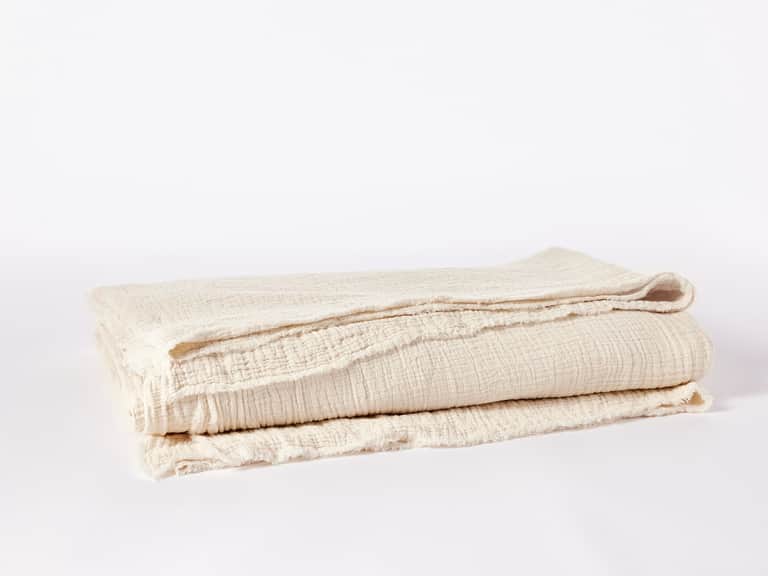
Topanga Organic Matelasse Coverlet exemplifies a high-quality option within this category, using a matelassé weave for subtle texture and durability. Its organic materials emphasize natural fiber benefits, including reduced chemical exposure and improved breathability. This coverlet provides a lightweight warmth suitable for layered setups and year-round use.
Functional benefits of well-chosen blankets and quilts include temperature regulation, ease of care, and long-term performance. Organic fabrics resist pilling and maintain softness with repeated laundering, while engineered weaves enhance loft and drape. Care considerations, such as washing temperatures and drying methods, extend the life of these textiles.
Within the bedding ecosystem, blankets and quilts intersect with pillows, sheets, and mattress support systems, including latex and adjustable bed foundations. A thoughtful selection supports ergonomic alignment and skin comfort while contributing to a cohesive sleep environment. By understanding material properties and construction, users can optimize comfort and maintain durable, hypoallergenic bedding.
 Bedding