Terzo Bed End
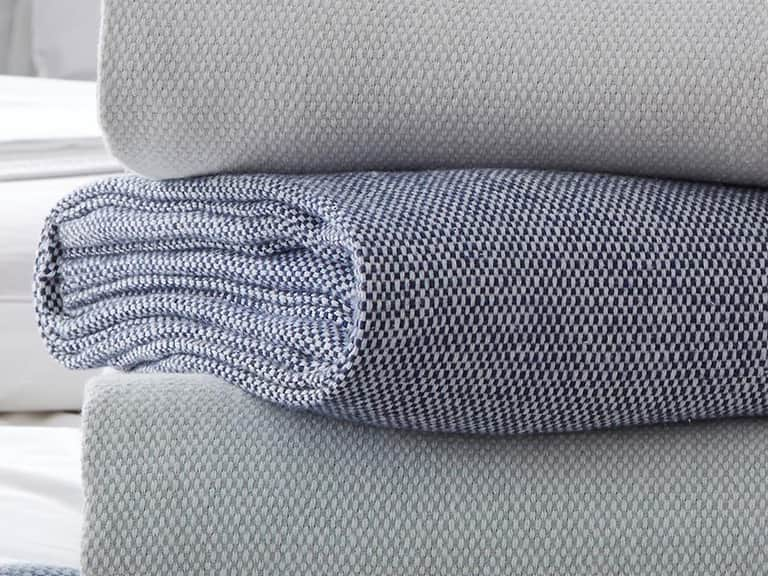
Sleep easy with this 100% cotton bed end featuring a soft brushed basket weave. It’sDurable, easy to care—machine wash cold—and keeps its shape for everyday use, measuring a comfy 50x90 in.
A rigorous, evidence-informed look at how to evaluate organic mattresses, the certifications that matter, and how to balance comfort with health and sustainability in your sleep environment.
In a market crowded with terms like “organic,” “eco-friendly,” and “natural,” making a smart mattress choice requires a steadier compass than branding alone. This guide cuts through the noise by centering on three foundational axes: materials, certifications, and comfort. By understanding what these elements guarantee—and what they don’t—you can select a mattress that supports sleep quality, aligns with environmental values, and remains durable over time.
Organic mattresses hinge on materials that are grown, processed, and finished with attention to minimizing synthetic inputs and chemical exposures. The most common organic components fall into three broad categories: latex, wool, and cotton. Each brings distinct performance traits that affect comfort, temperature regulation, and spinal support.
Latex, when derived from organic sources, often uses Dunlop or Talalay processing. The organic variant is typically certified to international standards that verify the absence of pesticides and harmful dyes in the raw materials and finished product. Organic latex tends to offer durable resilience and a tactile buoyancy that supports spinal alignment across sleeping positions. It also has natural breathability, which can help regulate temperature through the night, an aspect increasingly recognized as a pillar of sleep quality.
Wool, used as an inside fill or as an outer layer, contributes temperature regulation and moisture wicking. Its natural properties create a breathable microclimate that can reduce overheating in warm environments and preserve warmth in cooler conditions. Wool is often paired with organic cotton fabrics that encase the comfort layers, providing a soft, breathable, and hypoallergenic surface that minimizes exposure to potential irritants.
Cotton—especially organic cotton—serves as the primary cover and often as a core filler in hypoallergenic configurations. Organic cotton is cultivated with pest management and soil health practices designed to avoid synthetic pesticides. In a mattress, cotton’s softness, durability, and breathability complement latex and wool to create a comfortable, low-odor sleep surface. For families and individuals with sensitivities, organic cotton is a recognizable anchor material that can form the backbone of a truly natural mattress system.
Other natural components sometimes appear in organic mattresses, including plant-based foams and natural fibers like hemp or cotton blends. When evaluating these materials, it’s important to consider not only the raw material’s origin but also the manufacturing processes that influence emissions, durability, and comfort over time.
In sum, the organic mattress material story is not a single ingredient but a system. A high-quality organic mattress combines organically sourced latex or other resilient cores with natural fibers like wool and cotton to achieve a balanced mix of contouring, support, temperature regulation, and long-term comfort. Readers should look for a coherent material story, rather than isolated claims, to gauge whether a mattress aligns with both comfort and environmental values.
Certifications act as external validation points for claims about organic content, processing practices, and environmental impact. Among the most widely recognized in the bedding industry are GOTS and GOLS. Understanding what these certifications cover helps consumers separate marketing from measurable standards.
Choosing a mattress with strong certifications helps ensure that the product meets explicit standards rather than relying on broad marketing promises. It also supports supply-chain transparency, inviting consumers to ask questions about the origin of raw materials, the processing steps, and the social conditions under which the products were produced. When evaluating a mattress, pair certification checks with a review of materials and comfort to form a complete judgment about value and suitability.
Practical tip: when a mattress advertises organic components, ask for a breakdown of which parts are certified and by which bodies. For example, a cover may be GOTS-certified, while the latex core carries a GOLS certificate. Understanding this distinction helps you gauge the overall organic integrity of the product and set realistic expectations about performance characteristics like temperature regulation and contouring.
Organic materials are not a guarantee of comfort; they are a framework for a health-conscious sleep environment. Comfort arises from a mattress’s ability to cradle the body in a way that maintains proper alignment across sleep positions. Support relates to how the mattress resists sagging and how its layers distribute weight. Temperature regulation, moisture management, and odor control contribute to a night-long sense of freshness and ease.
Individual sleep positions—stomach, back, or side—call for different balance points between cushioning and support. A stomach sleeper may prioritize a firmer feel to prevent excessive hip sink, while a side sleeper often benefits from slightly more contouring around the shoulders and hips. Back sleepers frequently require even support along the spine with a balanced pressure distribution. For organic mattresses, the presence of latex or wool layers can influence how quickly heat disperses and how the surface responds to movement.
Material choices influence comfort profiles in distinct ways:
In evaluating comfort, look for a coherent layering system rather than a single “great” feature. A well-constructed organic mattress should balance a supportive core with a comfortable top layer, all wrapped in a breathable, low-off-gassing cover. A practical approach is to consider a baseline “comfort range” for your preferred sleep position and then evaluate whether the mattress fulfills those requirements across the range of expected seasonal temperatures and sleep schedules.
Case-in-point: a mattress with an organic latex core and a wool/cotton cover may deliver both contour and airflow, helping to prevent overheating while maintaining spinal alignment. The right combination is highly individual, and the best choice is the one that aligns with your sleep history, comfort preferences, and any sensitivities to materials or odors.
When shopping for an organic mattress, adopt a practical framework that translates certifications and materials into real-world performance. Here are key steps to bring into your evaluation process:
Importantly, the research-backed approach to choosing an organic mattress emphasizes transparency. A reputable brand should be willing to provide documentation, answer questions about material content, and explain how certifications translate to actual product performance. The goal is a transparent product story that connects material integrity with practical comfort and long-term satisfaction.
Organic mattresses are part of a broader sustainability narrative that encompasses not only emissions and chemical exposures but also ethical labor practices and end-of-life considerations. When you choose organic materials, you contribute to farming and manufacturing practices that emphasize soil health, reduced pesticide use, and more responsible chemical profiles in textiles. This is not only about a single night’s rest but about a long arc of health outcomes, environmental stewardship, and intergenerational impact.
Health considerations extend to indoor air quality. A core advantage of organic components is the potential reduction in off-gassing and chemical exposure associated with conventional mattresses. While “off-gassing” is not always a universal marker, many readers pursue organic options precisely to minimize synthetic odors and improve overall sleep environment quality.
For readers who must trade off certain preferences—price, availability, or brand familiarity—the guiding principle remains the same: use certifications, material truth, and comfort experience as your compass. The best choice is the one that harmonizes your sleep needs with your environmental values, without compromising sleep quality in the process.
Within the options available, certain products exemplify the intersection of organic materials, certifications, and comfort. A bed-end accessory such as the Terzo Bed End, crafted with traditional materials and designed for durability, complements a sleep ecosystem that prioritizes organization and ease of care. While a bed-end in itself is not a mattress, it represents a broader attention to the sleep environment that aligns with an organic, health-forward philosophy. The Terzo Bed End’s 100% cotton construction and brushed basket weave offer texture and practicality without compromising cleanliness or care requirements, echoing the ethos of a sleep space designed for well-being.
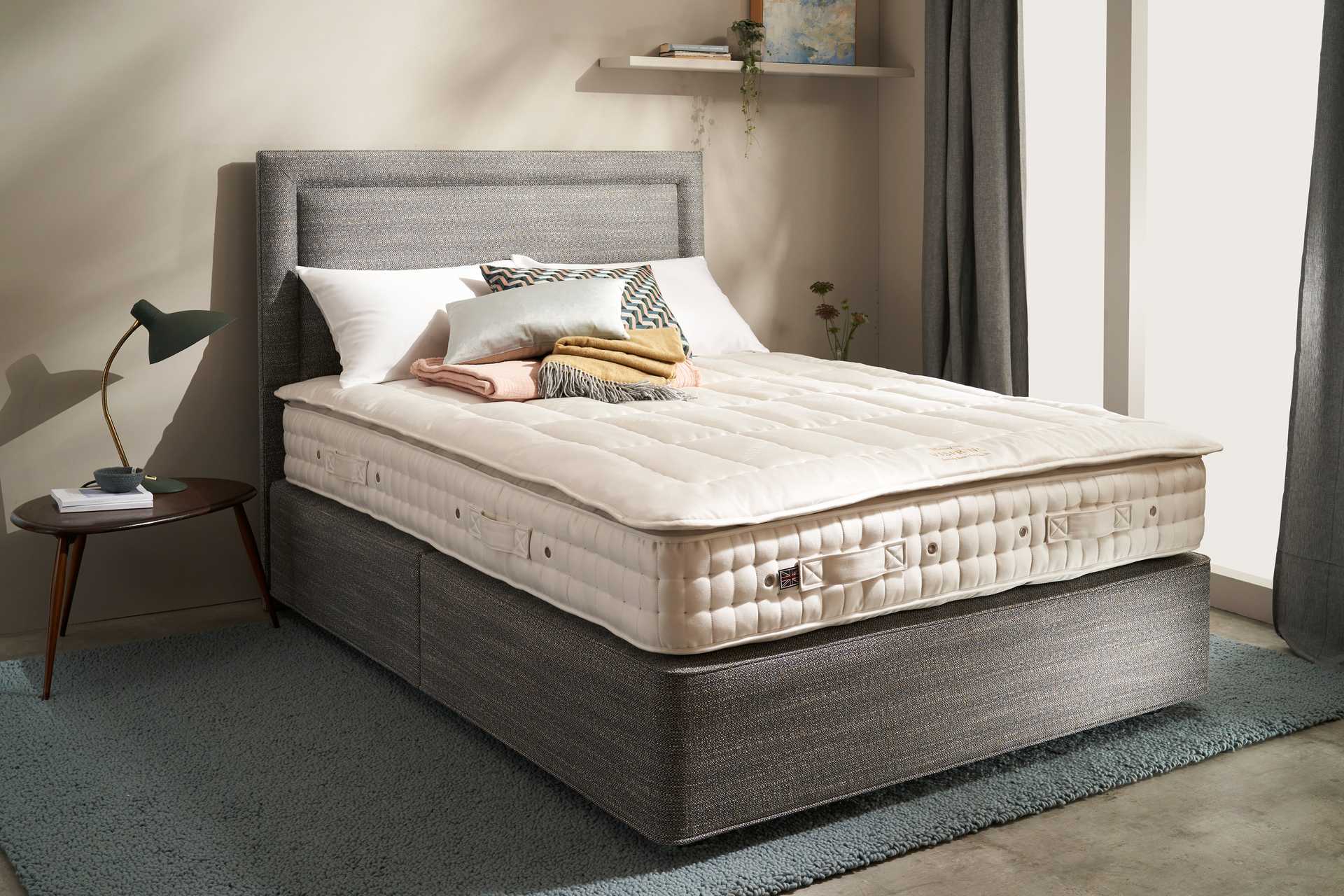
In the mattress category, consider the balance of organic materials and the presence of Cert-based certifications. A hypothetical example would be a latex-core or wool-core mattress that carries GOTS for the textile wrap and GOLS for the latex portion. Such a configuration would reflect a coherent, certification-backed approach to organic construction. It would also illustrate how the materials interact—latex providing support and contour, wool aiding temperature regulation, and the cover material acting as a breathable, durable interface with the sleeper.
When reading product descriptions, readers should assess the substance behind the claims. A mattress touted as “organic” gains credibility when it presents a transparent materials breakdown, consistent certification references, and a rationale for how the layers contribute to comfort and health. The ecosystem of organic bedding becomes most powerful when products are perceived as components of a thoughtful sleep habitat rather than standalone objects. A mattress, a topper, a pillow, and a well-chosen bed-end accessory can together compose an environment that supports restful nights and healthier living.
In this article’s context, the practical takeaway is simple: prioritize material integrity, verify certifications, and test comfort within a framework that recognizes both health implications and environmental responsibility. The result is not only a better night’s sleep but a more informed, conscious approach to the beds we inhabit and the lives we lead around them.
Choosing an organic mattress is a decision that blends science, ethics, and personal comfort. By focusing on robust materials, credible certifications, and a structured approach to comfort testing, you can confidently navigate a market saturated with competing claims. The aim is a sleep surface that aligns with your sleep needs, protects your health, and respects the planet’s resources. This is the essence of an informed and sustainable bedding journey.
As you consider your next upgrade, remember that the best mattress is one that supports your night’s rest today and remains a source of reliable comfort for years to come. The certifications validate the path; the materials tell the story; and the comfort you experience each night confirms your progress toward deeper, more restorative sleep.
In line with Direction A’s educational hub focus, readers may explore adjacent content areas such as:
Terzo Bed End — A 100% cotton bed end with a brushed cotton basket weave for texture and easy care in a single, durable surface. Material 100% Cotton; Finishing: Brushed cotton basket weave. Dimensions 50x90 inches. Price: $126.00. This accessory complements a sleep-space approach that values tactile detail and durable organization, aligning with a calm, well-ordered bedroom environment that supports restful sleep.
Product link: Terzo Bed End