Bedding & Sleep Environment
Wool Comforters Explained: Temperature Regulation, Fill, and Care
Wool can insulate without behaving like a simple heat trap. Its ability to take up moisture, the amount of fill, the way that fill is held in place, and the fabric surrounding it all shape how a wool comforter feels in bed. Understanding those details makes it easier to judge whether one suits your sleep habits—and how to keep it in good condition.
What makes wool different?
A comforter is more than a layer of warmth. It creates a small environment around the body, holding a pocket of air while responding to changes in temperature and moisture through the night. Wool fibers have a natural structure that can absorb water vapor and provide insulation at the same time. That combination is why wool bedding is often described as comfortable across a range of conditions.
“Temperature regulation” does not mean that a comforter actively cools or heats a sleeper, nor does it guarantee a particular sleep temperature. Instead, wool’s insulating and moisture-absorbing qualities can influence how warmth and dampness are experienced beneath the covers. The effect depends on the person, the room, sleepwear, sheets, duvet cover, and the comforter’s construction.
That distinction matters. Someone who runs warm may still find a thick wool comforter too insulating, while a person who tends to feel cold may value the same layer. Product descriptions can explain materials, but they cannot predict individual comfort. The useful question is not simply whether wool is “cool” or “warm”; it is how much warmth the specific comforter is likely to provide in the sleeper’s usual setting.
Moisture, insulation, and the feel of a night’s sleep
Wool can absorb moisture vapor from the surrounding air and from the microclimate near the body. That property may help bedding feel less clammy than a layer that holds moisture close to the skin. It does not make a comforter waterproof, eliminate perspiration, or remove the need to wash bedding. Rather, it is one part of how the fiber interacts with warmth and humidity.
Insulation is also influenced by the air held within and around the fill. A wool comforter’s warmth therefore depends on more than the fiber name on a label. Fill weight, loft, quilting pattern, shell fabric, and the size of the comforter all contribute. A generously filled comforter with dense stitching may feel substantially different from a lighter, more flexible one, even if both use wool.
Sleepers should also consider the full bedding system. A breathable cotton sheet, a duvet cover, pajamas, and the room’s ventilation all affect the sensation under the covers. Adding a thick cover to a warm comforter can make the overall bed feel warmer; removing unnecessary layers can have the opposite effect. Adjusting the complete setup is often more practical than expecting a single textile to solve every temperature concern.
For people who wake warm or damp, it can help to observe patterns over several nights. Note the room conditions, the layers used, and whether discomfort appears early in the night or toward morning. Such a simple record can reveal whether the comforter seems too heavy, whether the room is warm, or whether other bedding layers may be contributing.
Fill amount: the first clue to warmth and weight
Fill amount is a central consideration when comparing wool comforters. More fill generally creates a fuller, heavier layer and can increase insulation, though the result depends on how the wool is distributed and how the comforter is sewn. A product’s listed fill weight, when provided, is more useful than an ambiguous description such as “all-season.” The phrase may not mean the same thing across brands or product lines.
Weight is not identical to warmth. A comforter can feel substantial because of its dense filling, shell fabric, or quilt construction, yet still have a different warmth profile from another model of similar weight. Conversely, a lofty layer can feel light while trapping enough air to provide noticeable insulation. If a manufacturer provides both dimensions and fill weight, those details offer a clearer basis for comparison than marketing language alone.
Consider your ordinary sleeping conditions before deciding what fill level makes sense:
- Warm bedroom or warm sleeper: Look for a lighter fill or a construction intended to feel less substantial. Check whether the maker specifies a fill weight and intended season.
- Cool bedroom or cold sleeper: A higher fill amount may provide more insulation, but account for other layers and whether you use a duvet cover.
- Changing temperatures: A medium-weight comforter may be easier to use through the year, especially when paired with a removable cover or adjustable sheet layers.
- Uncertain preference: Review return, warranty, and care terms before purchase; product specifications cannot substitute for trying a bedding arrangement in your own room.
Season labels are useful only when they are supported by details. “Four-season” or “all-season” can be a convenient shorthand, but the room’s climate and the sleeper’s preferences determine whether a given item feels appropriate. Compare the actual construction and guidance rather than treating a label as a universal standard.
Construction: quilting, chambers, and shell fabric
Comforter construction affects how evenly wool remains distributed. Quilting creates stitched compartments that help hold fill in place, limiting movement across the comforter. The size and arrangement of those compartments influence the feel: closely spaced stitching can create a more structured surface, while wider sections may allow a softer, less segmented drape. Neither construction is automatically best; the choice depends on the balance of stability and flexibility a sleeper prefers.
Some comforters use separate chambers or other internal structures to manage fill placement. Details vary, so check the product description for an explanation rather than assuming every “baffle” or quilt pattern performs identically. The practical goals are to maintain reasonably even coverage, reduce lumpy areas, and make the comforter comfortable to reposition.
The shell fabric deserves equal attention. Cotton is commonly used in natural wool bedding and can offer a familiar, breathable surface, but weave, weight, and finish make a difference. A closely woven shell may help contain fibers; a softer or heavier fabric can alter drape and the way the comforter feels against a duvet cover. Read the material listing and care label together: a natural fill does not automatically mean the whole comforter can be washed like ordinary cotton bedding.
Construction also shapes maintenance. Secure stitching helps the fill stay arranged during normal use, but it does not make a comforter immune to compression, wear, or mishandling. Following the manufacturer’s instructions is especially important for wool, because agitation, heat, or unsuitable detergents may affect the fiber and the comforter’s shape.
Choosing a wool comforter for your sleep environment
Start with the room, not the product name. Think about the temperatures you experience during the night, whether you sleep alone or share the bed, how warm your sleepwear is, and whether you already use several blankets. A comforter that works well in a cool, well-ventilated room may feel too warm in a heated bedroom with heavy sheets.
Next, decide how you plan to use the comforter. A duvet cover can protect the shell from body oils, dust, and everyday contact, while also making routine laundering more manageable. It adds another layer to the bed, however, and its fabric can change the overall feel. If you prefer to use a comforter uncovered, check whether the manufacturer’s instructions allow that approach and how often the item should be aired or cleaned.
Look for clear product information, including:
- Fiber content and whether the fill is wool or a blend.
- Fill weight or other useful details about the amount of insulation.
- Shell material and the construction used to contain the fill.
- Available sizes and finished dimensions, particularly if you want generous coverage.
- Specific instructions for airing, spot cleaning, washing, drying, and storage.
- Any certifications, with the certifying organization and scope clearly identified.
Certifications can help explain how a material or product was assessed, but they should not be treated as a guarantee of perfect comfort, allergy relief, or suitability for every household. Read the scope of the claim and the care information. If you have a known wool sensitivity or a relevant medical concern, seek appropriate advice and review the product’s full material details before use.
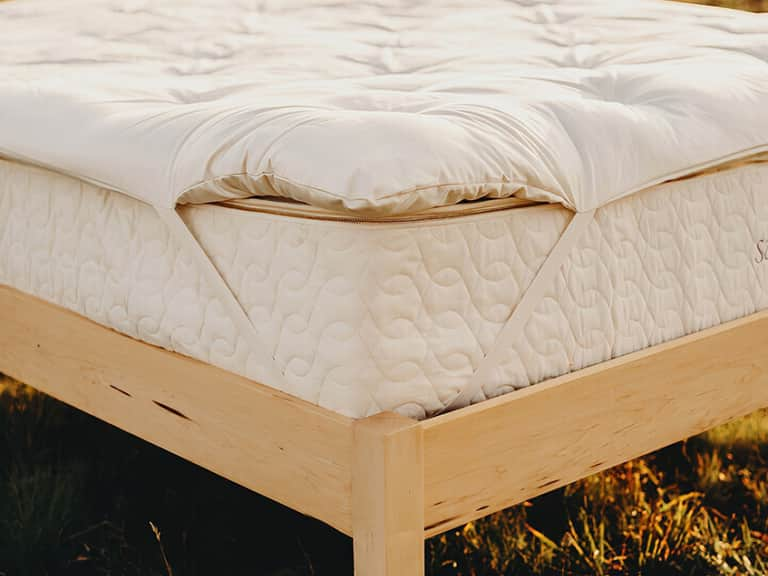
For a softer mattress surface rather than a layer for warmth, a wool-filled topper serves a different purpose from a comforter. The Savvy Rest Natural Savvy Woolsy Mattress Topper, for example, is described as a quilted wool layer designed to add softness and pressure relief to a mattress. It is not a comforter, so its construction and care should be considered separately from bedding used above the body.
Care: airing, spot cleaning, and washing carefully
Wool comforters often need less frequent full washing than sheets or duvet covers, but “less frequent” does not mean no care. Regular protection and sensible airing can help keep a comforter fresh between deeper cleaning needs. Always begin with the care label: wool products differ, and a method suitable for one comforter may damage another.
A removable duvet cover is a practical first line of protection. Wash the cover according to its own instructions, and allow the comforter to air periodically in a clean, dry, well-ventilated space. Follow the maker’s recommendations about sunlight and exposure; do not assume that prolonged direct sun is appropriate for every shell or construction. The goal is to refresh the bedding without subjecting it to unnecessary moisture, heat, or friction.
For a small spill or mark, spot cleaning may be preferable to washing the entire comforter. Use the method and cleaning product specified by the manufacturer, apply moisture sparingly, and let the area dry completely before making the bed again. Avoid vigorous rubbing, which can distort the shell or disturb the fill. If a stain is extensive or the comforter has absorbed a large amount of liquid, consult the care label or a qualified cleaner rather than improvising.
Machine washing deserves particular caution. Some wool comforters may be washable under specific conditions; others are not. Agitation, high temperatures, unsuitable detergent, spinning, or tumble drying can cause shrinkage, felting, clumping, or damage to the quilting. Never infer washability from the fact that the wool is described as washable in another product category. If the instructions permit machine cleaning, follow the stated cycle, water temperature, detergent, and drying method precisely.
Storage matters too. Before putting a comforter away, ensure it is completely dry. Store it in a clean, breathable container in a dry place, rather than sealing damp bedding in plastic. Avoid compressing it for long periods if that would flatten the fill. A quick check before seasonal use can help identify any odors, marks, or maintenance needs early.
Common misconceptions about wool bedding
“Wool is always cool.” Wool’s moisture-handling properties can contribute to comfort, but it is still an insulating fiber. A high-fill comforter can feel warm, especially in a heated room or beneath multiple covers.
“Natural materials need no maintenance.” Natural fibers still collect dust and may be affected by spills, oils, and prolonged compression. Protective covers and proper airing remain useful parts of bedding care.
“Hypoallergenic means allergy-proof.” Wool is sometimes described as naturally resistant to certain conditions, but no material guarantees that a person with allergies will have no reaction. Sensitivity varies, and the shell, dust, detergents, and other parts of the sleep environment may also matter.
“The thickest comforter is the most comfortable.” More fill can mean greater warmth and weight, but comfort is personal. The right choice is the one that suits the sleeper’s temperature, room, and preferred sense of coverage—not the one with the largest fill claim.
A simple decision checklist
Before choosing a wool comforter, work through a short, practical review:
- Assess your nights. Are you usually cold, warm, or variable? Consider the room’s usual conditions, not just the season.
- Count your layers. Include sheets, duvet covers, blankets, sleepwear, and any mattress topper.
- Compare fill and construction. Look for fill weight, quilting details, shell fabric, and dimensions.
- Plan the care routine. Confirm whether the comforter should be aired, spot cleaned, professionally cleaned, or washed under specific conditions.
- Check fit and protection. Make sure the size provides enough coverage and that a duvet cover fits the intended comforter dimensions.
- Keep expectations realistic. Wool may contribute to a comfortable bedding microclimate, but it cannot correct every cause of disrupted sleep or overheating.
This process shifts attention from broad claims to the characteristics that determine everyday use. A well-chosen comforter should suit the sleeper’s habits, be manageable to care for, and work with the rest of the bed rather than being judged in isolation.
The practical bottom line
Wool comforters offer a distinctive blend of insulation and moisture absorption, but their performance is not uniform. Fill amount, quilting, shell fabric, and the layers around the comforter all influence warmth, weight, and drape. The most useful comparison begins with your own sleep temperature and continues through the product’s actual specifications and care label.
Choose a fill level that makes sense for your room and habits, protect the comforter with a cover if appropriate, and avoid assuming that every wool product can be washed the same way. With realistic expectations and careful upkeep, wool bedding can be a comfortable part of a considered sleep environment—without requiring a one-size-fits-all promise about temperature or performance.
Frequently asked questions
Are wool comforters good for people who sleep hot?
They may suit some warm sleepers because wool can absorb moisture vapor, but wool is also insulating. A lightweight fill, breathable surrounding layers, and a suitable room temperature may matter as much as the fiber itself. Check the comforter’s fill details rather than relying on a general claim that wool “sleeps cool.”
Can a wool comforter be machine washed?
It depends on the specific comforter. Some manufacturers allow washing under carefully defined conditions; others advise against it. Follow the care label exactly, since heat, agitation, or improper drying can damage wool fill and construction.
Should I use a duvet cover with a wool comforter?
A duvet cover can protect the comforter from everyday soiling and is usually easier to launder. It also adds a layer that may affect warmth and feel. Check the manufacturer’s advice and choose a cover that fits the comforter properly.
How often should I air a wool comforter?
There is no single schedule for every product or home. Follow the maker’s guidance and air it when needed in a clean, dry, well-ventilated place. Make sure the comforter is fully dry before covering or storing it.
Does a wool comforter replace a mattress topper?
No. A comforter is a covering layer used above the sleeper, while a topper sits on the mattress and changes the feel of the sleep surface. They serve different purposes and have separate construction and care requirements.