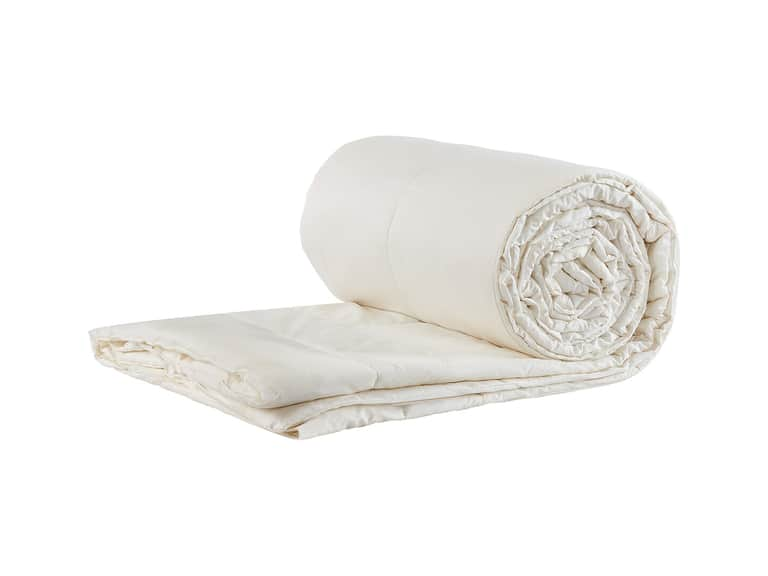
Comforters are lightweight blankets designed to provide warmth while preserving a clean, simple silhouette in bed ensembles. This category emphasizes materials, construction, and fill power to regulate temperature and comfort across seasons. Understanding fabric blends, quilting patterns, and care guidelines helps match a comforter to sleeping preferences and climate variations.
Key features to evaluate include fill type, warmth rating, and shell fabric. Common options are cotton, cotton blends, and microfiber shells with polyester or down-alternative fills. Higher fill power often correlates with greater warmth-to-weight efficiency, while breathable shells reduce overheating and improve moisture management through the night.
The Sleep and Beyond and myComforter lines illustrate how design choices affect usability and comfort. Consider construction details such as baffle-box quilting, labeled fill weight, and edge finishing, which influence loft retention and durability. These attributes support consistent warmth distribution and easy laundering without compromising fit in standard bed dimensions.
Material compatibility is another important consideration. Bedding ecosystems benefit from harmonizing comforters with appropriate sheets, pillows, and organic mattresses. For example, organic fabrics and hypoallergenic fills can reduce irritation, while latex and other breathable fillings can enhance air circulation, contributing to a healthier sleep environment overall.
Practical care information—such as washing temperature, drying methods, and stain prevention—helps extend the life of a comforter. Attention to product-specific instructions remains essential for maintaining loft and softness. Keywords like bedding, pillows, sheets, organic mattresses, and latex reflect the broader ecosystem of sleeping comfort and material science involved in this category.
 Bedding